
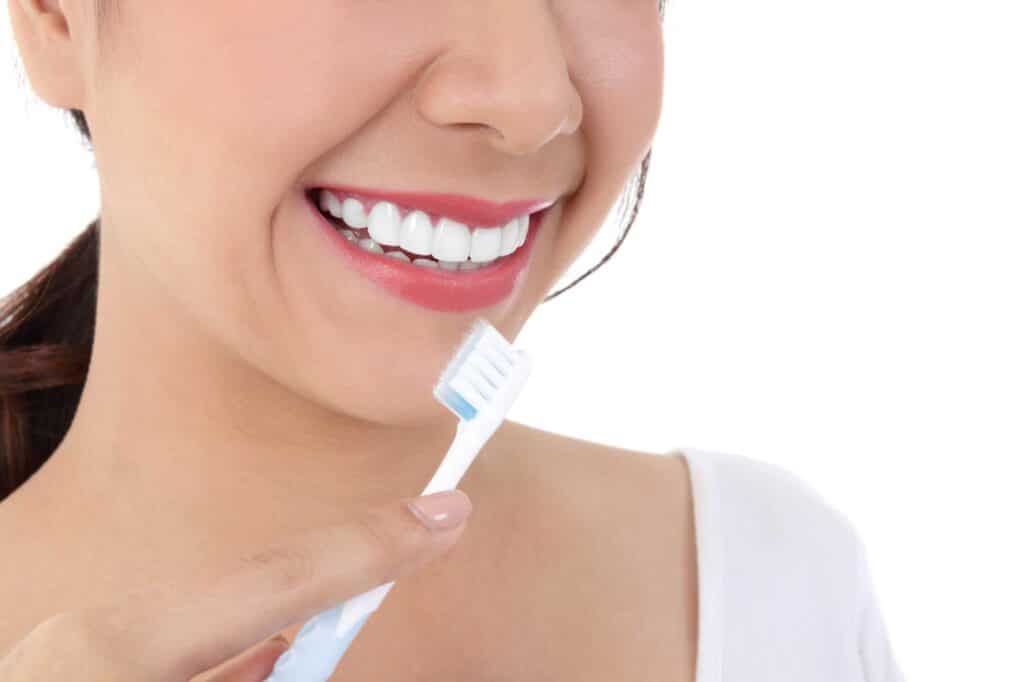
It is very important to be informed about toothbrushes, what they should have to take care of your health, how to use them, the benefits of electric toothbrushes and the characteristics of toothbrushes for children.
In the past, most people used manual toothbrushes to brush their teeth, but nowadays, electric toothbrushes are becoming increasingly common for both children and adults. This raises the question: which is better?
Good tooth brushing
Toothbrushes have a few main objectives:
- Correctly remove dental plaque on the gum line.
- Delay calculation creation.
- Reduce the risk of cavities.
- Collaborate in good breath.
Currently, there are many shapes, sizes, and formats of toothbrushes, and they are chosen based on the type of teeth, the person’s ability and manual dexterity, whether they have orthodontics or prostheses, whether fixed or removable, periodontal diseases, and teeth with incorrect placement.
The recommendations regarding what your toothbrush should contain when brushing your teeth are:
- Artificial nylon bristles, with rounded tips (to reduce gingival lesions).
- Medium or soft hardness.
- Toothbrush head adapted to the size of the teeth. A smaller head is better for easier access to the tooth surface.
- Handle with enough length and width to be able to use it safely.
Baby and children’s toothbrushes
For babies, the toothbrush should be soft and made of silicone. Proper hygiene before the first teeth erupt helps prevent gum disease and cavities in the first teeth.
Brushes recommended for children should have a small head, soft bristles, and long, wide, non-slip handles. To attract their attention, some brushes have designs on the handles, different colors, and even play music.
What about electric toothbrushes?
This type of brushes are recommended for:
- Young children.
- Elderly people.
- People with little or no manual skill.
- Hospitalized or disabled people.
- People with braces.
Some of the features of electric toothbrushes are:
- Effectiveness very similar to manual brushes.
- They replace muscle strength with electrical strength.
- They have several movements (circular, back-and-forth, elliptical or combined).
- They have a small pig, medium or soft bristles and multi-tufts.
- They allow access to more difficult areas when used correctly, for example to distal areas of the last molars.
The most important advantage of some electric toothbrushes is that, by brushing your teeth, you can further reduce plaque, which is responsible for causing gingivitis and cavities. In addition, using an electric toothbrush reduces the risk of tooth abrasion because it has a pressure control mechanism that minimizes erosion of the tooth surface.
If manual brushing is not done correctly, applying too much pressure to the teeth, it can damage the tooth enamel. It has been observed that people who use electric toothbrushes spend 20 to 40% more time brushing their teeth than those who use manual toothbrushes.
Regarding which is the best electric toothbrush, there are scientific studies that say that the most effective ones are those that have an oscillating-rotating mechanism.
Even so, it’s true that there are some times when using a manual toothbrush might be more appropriate. For example, after surgery, when there’s a painful area, or when there are stitches. In those cases, it’s recommended to use a manual toothbrush with ultra-soft bristles, which allows for gentler brushing, giving you better control over the speed and care you take when cleaning the affected area.
