

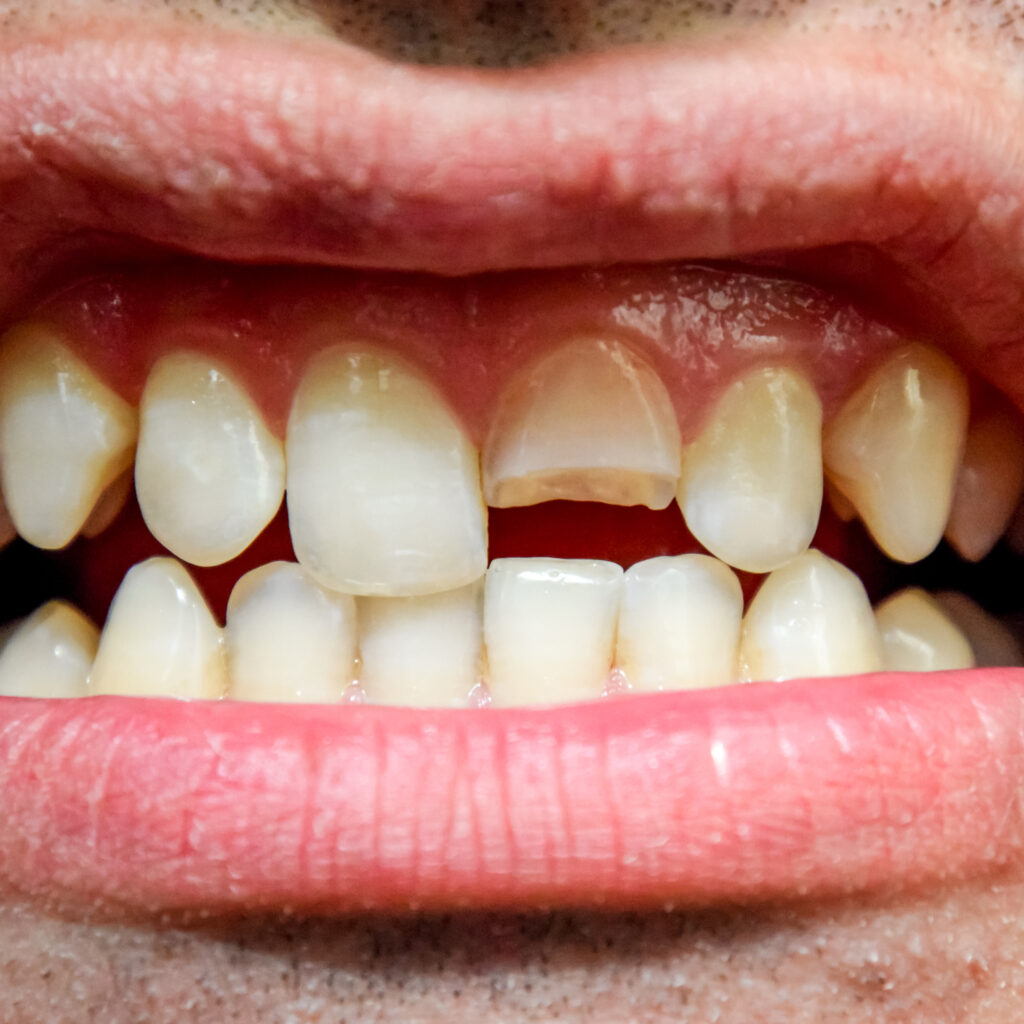
Summer in Vélez-Málaga is all about getting out and about: beach days in Torre del Mar, games in the pool, day trips and outdoor sports. More physical activity also means a higher risk of knocks to the teeth, and the simplest way to prevent them is to wear a sports mouthguard. In this article we explain what it is, the types available, which sports call for one and, just in case, what to do if a knock still happens.
At Acosta Cubero Dental Clinic, in Vélez-Málaga, we see athletes and families from all over the Axarquía, and we know that most dental injuries can be prevented. When they do happen, we treat them as a top priority: the deciding factors in saving the tooth are time and knowing how to react. Prevention and speed save smiles! 🛡️
Sports mouthguard: what it is and when to wear one 🥊
A mouthguard is a flexible cover that fits over the teeth and cushions impacts, also protecting the lips, gums and jaw. It is recommended for contact sports (football, basketball, martial arts, rugby) and for activities with a risk of falls or knocks, such as mountain biking, roller skating or skateboarding. It is suitable for adults and children alike, and especially useful if you wear braces or have cosmetic work you want to protect.
Types of mouthguard
- Standard: pre-formed and sold ready to use. It is the cheapest option, but it usually fits less well and can be uncomfortable.
- Boil-and-bite: softened in hot water and moulded by biting into it. It fits better than a standard one.
- Custom-made: made by the dentist from an impression of your mouth. It gives the best fit and is the most comfortable to wear.
To make it last, rinse it after each use, keep it in its ventilated case away from heat, and bring it to your check-ups so we can make sure it still fits well. If you’d like to know more about how sport affects your mouth, read our article on oral health for athletes.
If a tooth does get knocked: the first 60 minutes are the golden hour ⏱️
When a tooth takes a heavy impact, what you do in the first hour after the accident has a big influence on whether your natural tooth can be saved. These are the basic steps; the full guide, including baby teeth, is in our article on what to do with a broken or knocked-out tooth.
1. The tooth has broken (fracture)
- What to do: find the fragment, rinse it gently with clean water (without rubbing the broken edge) and keep it in a glass of milk or saline solution from the chemist. Come to the clinic urgently: in many cases our specialists can bond your own fragment back in place with advanced aesthetic composites, as long as the nerve is not exposed.
2. The tooth has come out completely (avulsion)
- What to do: pick the tooth up always by the crown (the visible white part), never by the root. If it has sand on it, rinse it with water for two seconds, but do not brush it or use soap.
- How to carry it: the tooth must stay moist. Put it straight into a container of whole milk or saline solution. If you are an adult and feel calm, you can carefully place it between your cheek and your back teeth so your own saliva protects it on the way to the clinic.
What will we do at our clinic in Vélez-Málaga? ⚙️
As soon as you arrive at our practice in Vélez-Málaga as an emergency, we start an immediate rescue protocol:
- Instant X-ray diagnosis: using low-dose digital radiography, we check right away for hidden fractures in the root of the tooth or in the jawbone that supports it.
- Replantation and splinting: if the tooth has come out whole and has been kept properly in milk, we can put it back in its socket and fix it to the neighbouring teeth with a thin temporary resin. This allows the ligaments to heal and the tooth to reattach to the bone naturally.
- Monitoring the nerve: over the following weeks we will check the state of the pulp (the nerve) to make sure the tooth is still receiving a blood supply, or whether it needs root canal treatment (endodontics) to prevent future infections.
Stay calm and act quickly in the Axarquía! 😊
Accidents happen when we least expect them, but a good mouthguard and the right information can make the difference between losing a permanent tooth and keeping it for life. Explain these simple steps to the youngest members of the family so they know how to react if it happens to them or a friend at the pool. And if an emergency comes at another time of year, also see our guide to the emergency dentist at Christmas.
If you or a family member suffers a dental injury this summer, stay calm and come straight to Acosta Cubero Dental Clinic in Vélez-Málaga, just a few minutes from Torre del Mar. We will be ready to deal with the emergency immediately and protect your oral health; if you can, contact us to book an emergency dental appointment in Vélez-Málaga while you are on your way. And if you’d like to prevent it, ask us at your next check-up which mouthguard is right for you. Enjoy your holidays safely! ✨
